

How to Use Book Bags with Pre-K: Bringing Stories Beyond the Pages
There's something special about sending a story home in a bag.
Whether you're a teacher, homeschool parent, childcare provider, librarian, tutor, or caregiver, Book Bags (sometimes called Story Bags) are a simple and meaningful way to encourage literacy, spark curiosity, and help children connect with books beyond a single read-aloud.
The best part? You don't need a classroom or an elaborate setup to make them successful. Book Bags can be used at home, in libraries, preschool classrooms, childcare centers, family literacy programs, or any environment where children and books come together.
In this guide, you'll discover easy ideas for creating engaging Book Bags that encourage reading, conversation, play, and a lifelong love of stories.
What Are Book Bags?
Book Bags are themed literacy kits built around a children's book.
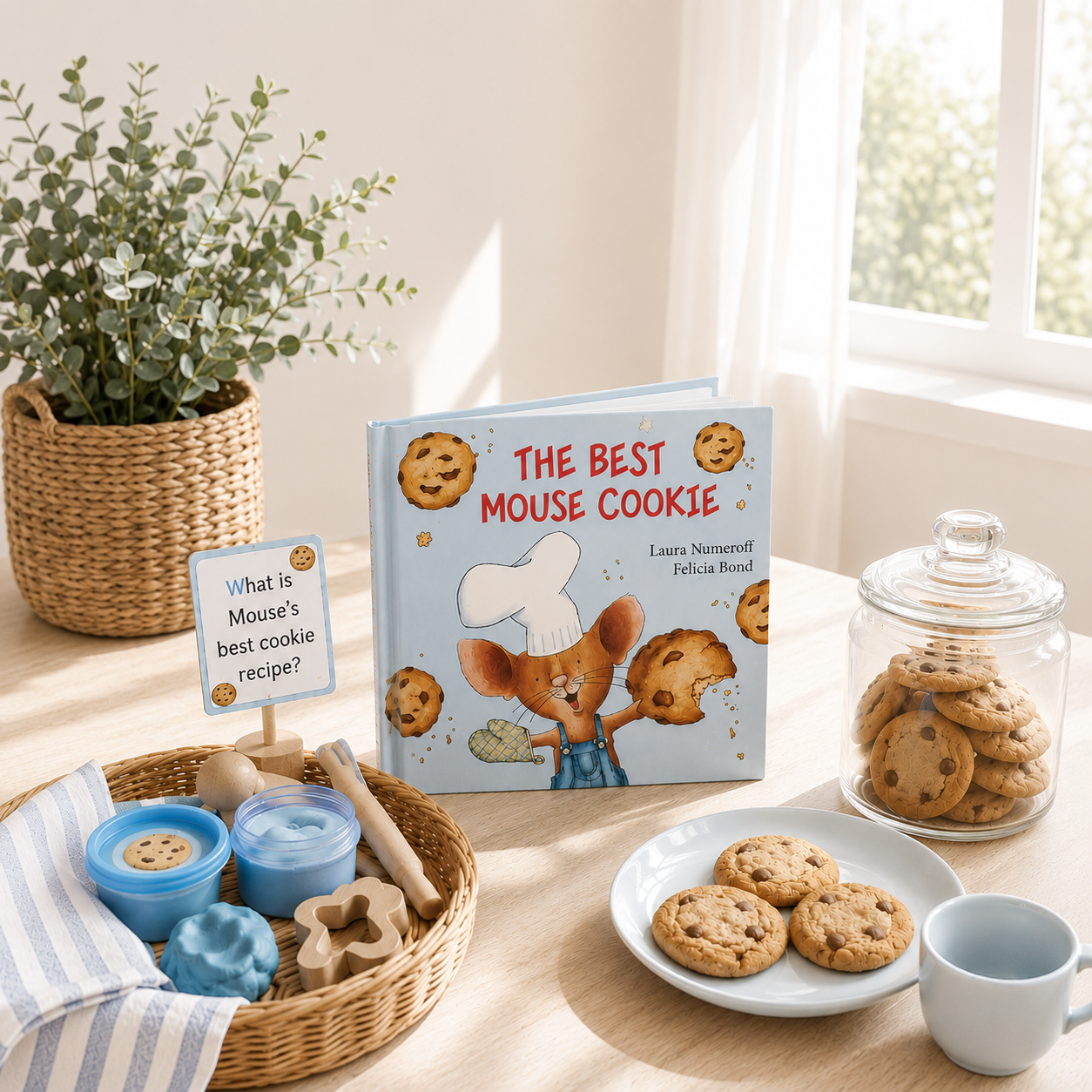
Each bag typically includes a story along with simple materials that help children interact with the book in meaningful ways.
Depending on your goals, a Book Bag might include:
A picture book
Story props
Discussion prompts
Literacy activities
Simple games
Art materials
Sensory items
Book-inspired recipes
Retelling materials
Think of a Book Bag as an invitation to continue exploring a story long after the book has been read.

Why Children Love Book Bags
Young children naturally enjoy hands-on learning experiences.
When a story comes with special materials to explore, the experience feels exciting and memorable.
Book Bags help children:
Build excitement around books
Strengthen comprehension skills
Practice storytelling
Expand vocabulary
Develop creativity
Build confidence through retelling
Strengthen early literacy skills
Most importantly, they help children see reading as something joyful and engaging.
Why Families Love Book Bags
One of the greatest benefits of Book Bags is that they create meaningful literacy experiences outside of formal learning environments.
Families don't need special teaching materials or extensive preparation.
Everything is already connected to the story.
Book Bags encourage:
Shared reading experiences
Meaningful conversations
Family engagement
Independent exploration
Positive reading habits
They offer families simple ways to connect through stories.

Creating a Simple Book Bag
Book Bags do not need to be complicated.
In fact, some of the most successful Story Bags include only a few carefully chosen items.
A simple Book Bag might contain:
The Featured Book
Choose a story that is engaging, age-appropriate, and rich in opportunities for discussion.
Books with strong characters, repetitive language, or memorable storylines work especially well.
Story Props
Include a few simple items related to the story.
For example:
Small animal figures
Puppets
Felt pieces
Story characters
Natural materials
Props encourage storytelling, retelling, and imaginative play.
Discussion Cards
Provide a few simple questions such as:
What was your favorite part?
How did the character feel?
What happened first?
What would you do differently?
Open-ended questions encourage conversation and comprehension.
A Simple Activity
Add an invitation connected to the story, such as:
A coloring page
A scavenger hunt
A matching game
A simple craft
A drawing prompt
The goal is to extend the story experience through play and creativity.

Story Bag Ideas for Different Themes
Themes help children make deeper connections with stories.
Here are a few popular Book Bag themes:
Animal Story Bags
Include books featuring favorite animals along with animal figurines, habitat cards, or nature exploration prompts.
Friendship Story Bags
Focus on kindness, empathy, and social-emotional learning.
Include discussion prompts and simple cooperative activities.
Fairy Tale Story Bags
Add puppets, props, costumes, or story sequencing cards to encourage retelling.
Nature Story Bags
Include magnifying glasses, nature journals, or observation cards inspired by the book.
Family Story Bags
Celebrate traditions, culture, and community through books and conversation starters.
Encouraging Story Retelling
One of the most valuable parts of a Book Bag is the opportunity to retell a story.
When children retell stories, they practice:
Sequencing
Vocabulary
Oral language skills
Comprehension
Memory
Simple props can transform a favorite book into a meaningful storytelling experience.
Children often revisit stories again and again when given the opportunity to play with the characters and events.
Adding Book-Based Recipes
A simple recipe can make a Book Bag even more memorable.
Depending on the story, you might include:
Cookie recipes
Fruit salad recipes
Trail mix recipes
Tea party snacks
Story-inspired treats
Food experiences help children engage multiple senses while creating meaningful connections to books.
Using Book Bags in Different Learning Environments
In Classrooms
Rotate Book Bags through your literacy centers or send them home with families.
In Homeschool Settings
Use themed Story Bags to organize weekly literacy experiences.
In Libraries
Offer Book Bags as part of a family literacy program or seasonal reading initiative.
In Childcare Programs
Create themed literacy kits that children can explore independently or in small groups.
At Home
Build simple Story Bags using favorite books and materials you already have available.
No matter where they are used, the goal remains the same: helping children build meaningful connections with stories.
Keeping Book Bags Simple
It's easy to feel like every literacy activity needs to be elaborate.
But Book Bags work best when they are simple, inviting, and child-centered.
You don't need expensive materials.
You don't need complicated instructions.
You don't need perfectly coordinated activities.
A great book, a few thoughtful props, and an opportunity for conversation are often more than enough.


Book Bags are more than take-home activities.
They are invitations to explore stories through play, creativity, conversation, and connection.
Whether you're creating Story Bags for a preschool classroom, homeschool group, library program, childcare center, or your own family, these simple literacy kits can help children build vocabulary, strengthen comprehension, and develop a lasting love of books.
Sometimes all it takes is one great story, a few meaningful materials, and a child eager to see what happens next.



0 Comments:
Post a Comment
Thanks for your comment!