

Joyful Spelling: Learning Words Through Play and Creativity
S-P-E-L-L-I-N-G. C-A-N. B-E. F-U-N!
Spelling doesn’t have to mean worksheets, copying words, or endless repetition. When children can move, touch, build, paint, chant, and play with letters, spelling becomes an active and meaningful experience.
This resource invites children to explore high-frequency words through hands-on, multisensory activities that make letters and words easier to notice, remember, and use. Instead of simply memorizing words, children have opportunities to explore their sounds, shapes, patterns, and meanings in playful ways.
It’s a flexible resource for small groups, learning spaces, or home, and can easily become part of a playful literacy routine.

Core Words to Explore
This pack focuses on essential high-frequency words:again, all, away, bad, big, do, down, drink, eat, feel, get, go, good, happy, help, hear, I, in, like, little, mine, more, my, not, now, off, on, out, play, put, read, sad, some, stop, that, want, what.
Children can explore each word visually, orally, and through touch, with both colour and black-and-white versions included.
The goal is not simply to “learn a list of words,” but to give children many opportunities to see, say, build, trace, and play with them.

Hands-On Ways to Explore Words
There are countless ways to make spelling active and memorable. Here are some simple invitations to try:
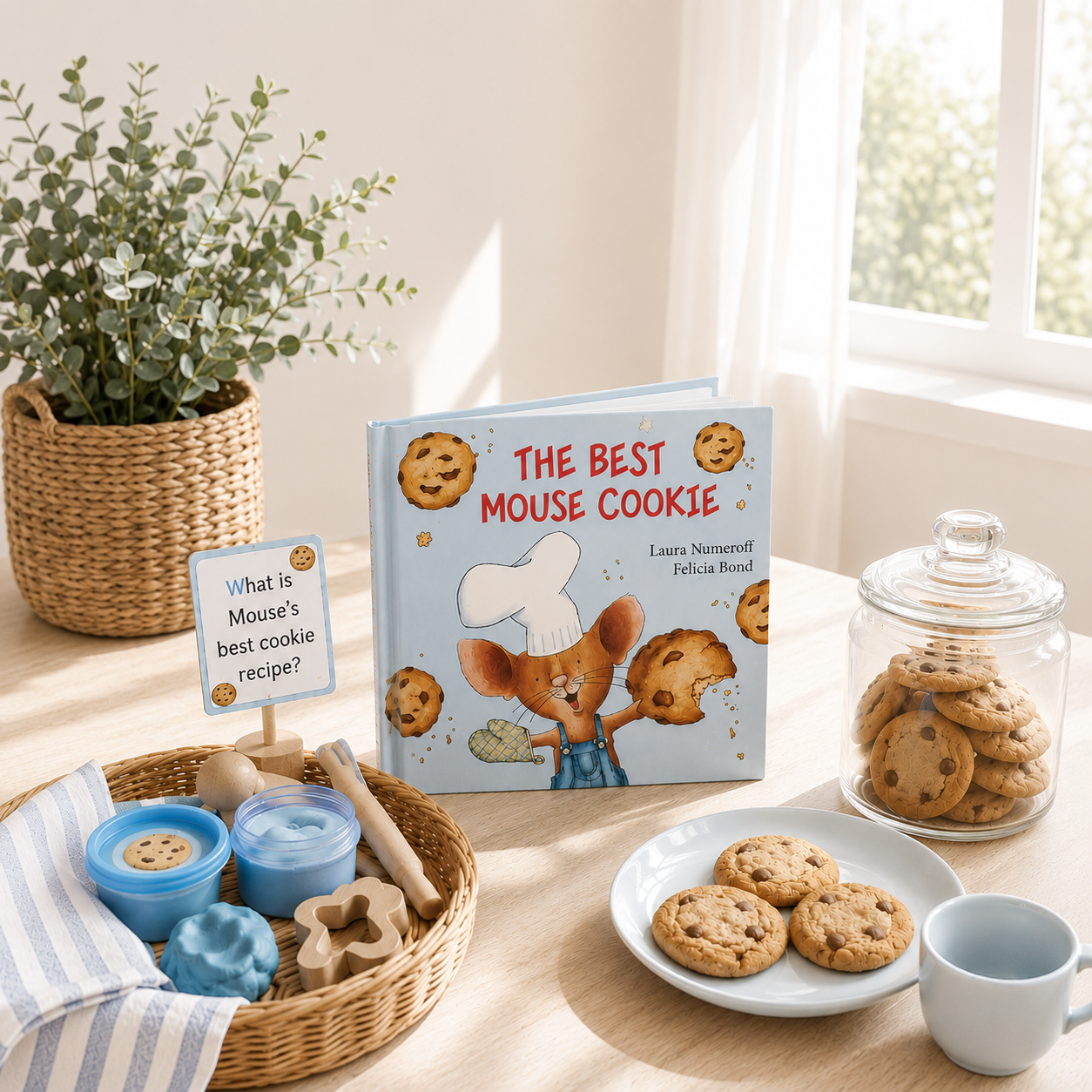
Play Dough Words
Build letters and words with play dough. Rolling, shaping, and arranging letters adds a tactile dimension to spelling while strengthening fine motor skills.
Chant, Sing & Rap
Turn spelling into a rhythm. Clap, stomp, sing, or create a simple chant as children spell a word aloud. Rhythm and repetition can make words easier to remember.
Build with Loose Parts
Use pipe cleaners, yarn, beads, craft sticks, or other loose parts to create letters. Children can experiment with shapes while discovering that letters can be built in many different ways.
Trace & Write in Sensory Trays
Fill a tray with sand, salt, flour, rice, or another textured material. Children can trace letters and words with their fingers, erase them, and try again.
Paint the Words
Use brushes, fingers, cotton swabs, or even natural materials to paint letters. Let children explore colour, movement, and letter formation without worrying about perfect handwriting.
Letter Tiles & Stamps
Build words with magnetic letters, tiles, stamps, or homemade letter cards. Children can rearrange letters, look for patterns, and discover how small changes can create new words.
Write in the Air
Invite children to use their whole arm to “write” a word in the air while saying each letter aloud. This adds movement and creates another memory pathway.
Rainbow Words
Use a different colour for each letter or highlight a particular letter pattern. Colour can help children notice similarities and differences between words.
Take It Outdoors
Bring spelling outside with sidewalk chalk. Children can write giant words, hop from letter to letter, or create a path that spells a word.
Make Spelling Personal
One of the most powerful ways to make spelling meaningful is to connect words to children’s own lives.
Choose words they encounter in stories, conversations, play, or everyday routines. A word like happy, help, play, or more becomes much more meaningful when children can connect it to something they actually do, feel, or say.
You can also invite children to choose a favourite word, build it with loose parts, act it out, draw it, and spell it together.
Bringing Words to Life
When spelling becomes something children can touch, move, hear, build, and create, words begin to feel less like something to memorize and more like something to discover.
The aim isn't speed or perfect recall. It's about giving children repeated, joyful opportunities to notice letters, sounds, patterns, and meaning.
Because sometimes the best way to learn a word is simply to play with it.



0 Comments:
Post a Comment
Thanks for your comment!