

How to Create Book-Based Language Activities for Pre-K
One of the most meaningful ways to support language development in young children is to begin with a great book.
Whether you're a teacher, homeschool parent, childcare provider, librarian, tutor, or caregiver, book-based language activities offer a simple and engaging way to build vocabulary, strengthen communication skills, and introduce early grammar concepts through stories children already love.
The best part?
You don't need worksheets, formal lessons, or complicated materials.
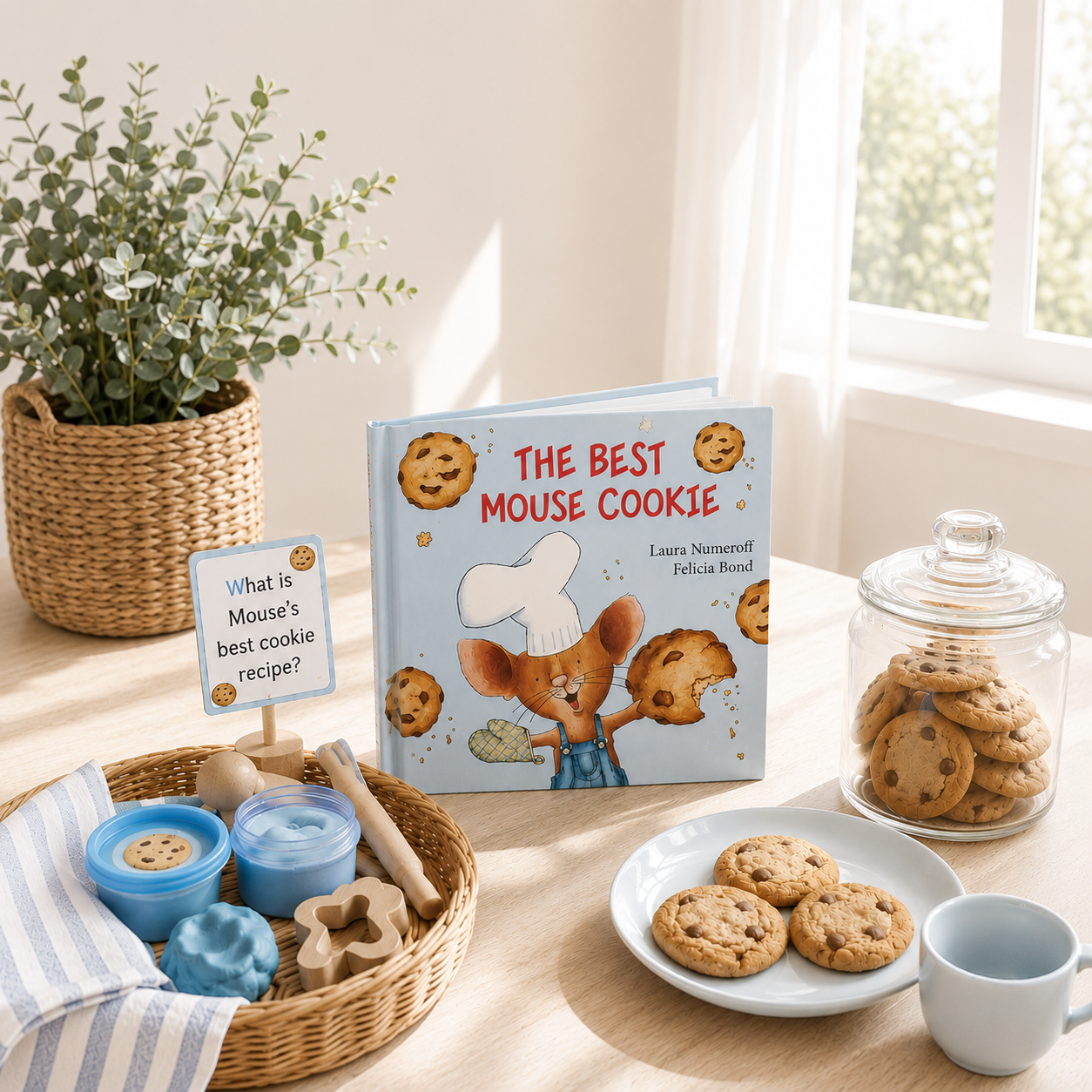
A favorite picture book can become the starting point for rich conversations, vocabulary exploration, sentence building, storytelling, and playful language learning.
In this guide, you'll discover simple ways to create book-based language activities for Pre-K learners that encourage meaningful communication and a love of literacy.

What Are Book-Based Language Activities?
Book-based language activities are learning experiences inspired by a story that help children develop oral language, vocabulary, comprehension, and early grammar skills.
Instead of teaching language in isolation, children learn new words and concepts within the meaningful context of a book.
A story provides the perfect foundation for exploring:
New vocabulary
Describing words (adjectives)
Action words (verbs)
Naming words (nouns)
Sentence building
Story retelling
Question asking
Oral language development
Because the language is connected to a meaningful story, children are more likely to remember and use what they learn.
Why Stories Support Language Development
Picture books naturally expose children to rich language they may not hear in everyday conversation.
As children listen to stories, they learn to:
Understand new vocabulary
Hear complete sentences
Recognize language patterns
Develop listening skills
Build comprehension
Practice communication
Stories also provide opportunities to discuss characters, settings, events, feelings, and experiences.
These conversations are where much of the language learning happens.

Building Vocabulary Through Books
One of the simplest ways to create a language activity is to focus on vocabulary from a favorite story.
As you read, choose a few meaningful words to explore together.
For example, after reading a book about bears, children might learn words such as:
Furry
Strong
Brown
Paws
Claws
Forest
Invite children to:
Match words to pictures
Sort words into categories
Describe characters using the vocabulary
Use new words in conversation
The goal isn't memorization.
The goal is helping children understand and use new language naturally.
Introducing Early Grammar Through Stories
Grammar doesn't need to be taught through worksheets.
Stories provide authentic opportunities to explore how language works.
Exploring Describing Words (Adjectives)
Choose a character from a story and ask:
What does the character look like?
How does the character feel?
What words describe the character?
Children may respond with words such as:
Big
Brown
Soft
Happy
Brave
These simple conversations help children understand how adjectives add meaning to language.
Exploring Action Words (Verbs)
Books are filled with action.
Invite children to identify what characters do throughout the story.
Examples might include:
Run
Jump
Climb
Sleep
Dance
Acting out the verbs adds movement and makes learning even more memorable.
Exploring Naming Words (Nouns)
Ask children to identify people, places, animals, or objects from the story.
You might create simple sorting activities using pictures and word cards.
Building Sentences
Use vocabulary cards inspired by the book and invite children to create simple sentences.
For example:
"The bear can climb."
"The furry bear is sleeping."
"The brown bear has paws."
This playful approach helps children understand sentence structure naturally.

Making Language Learning Interactive
Young children learn best when they can move, play, and explore.
Try activities such as:
Story Retelling
Invite children to retell the story using props, puppets, or picture cards.
Character Description Games
Encourage children to describe characters using vocabulary from the story.
Vocabulary Matching
Match words to pictures, objects, or story characters.
Acting Out Verbs
Read action words from the story and encourage children to perform them.
Sentence Building
Provide simple word cards and invite children to create their own story-inspired sentences.
These activities transform language learning into an engaging experience rather than a formal lesson.
Book-Based Language Activities for Different Settings
In the Classroom
Create literacy centers focused on vocabulary, sentence building, and story retelling.
At Home
Use favorite books to spark conversations during everyday routines.
In Libraries
Offer story extensions that encourage vocabulary development and oral language.
In Childcare Programs
Create small-group language invitations inspired by weekly read-alouds.
In Homeschool Settings
Build language lessons naturally around favorite picture books.
No matter the environment, stories provide endless opportunities for meaningful language learning.
Encouraging Meaningful Conversations
One of the most powerful language activities requires no materials at all.
Conversation.
Pause during read-alouds and ask open-ended questions such as:
What do you notice?
Why do you think that happened?
How is the character feeling?
What might happen next?
What would you do?
These discussions strengthen vocabulary, comprehension, critical thinking, and communication skills all at once.
Book-based language activities help children see language as something meaningful, useful, and connected to real experiences.
Whether you're exploring vocabulary, introducing early grammar concepts, building sentences, or encouraging conversation, stories provide the perfect foundation for learning.
When children encounter language within the pages of a beloved book, they are more likely to understand it, remember it, and use it confidently.
And often, the best language lessons begin with a simple story shared together.



0 Comments:
Post a Comment
Thanks for your comment!