

Thanksgiving offers a beautiful invitation to slow down, gather together, and notice the simple moments that often mean the most. Through stories, nature, cooking, art, and meaningful conversations, children can explore the season with curiosity while building language in ways that feel natural and connected.
Whether you're teaching in a classroom, learning at home, or simply looking for gentle seasonal inspiration, these hands-on invitations encourage children to create, wonder, and celebrate gratitude through play.Here are a few simple ideas to bring warmth, connection, and joyful learning into your Thanksgiving season:
Songs & Rhymes
Songs and rhymes create some of the most memorable learning moments. Their rhythm, repetition, and predictable patterns help children absorb new vocabulary naturally while inviting movement, laughter, and participation.
After singing together, encourage children to act out the song, use simple props, or retell it in their own words. These playful experiences strengthen listening skills, oral language, sequencing, and confidence—all without feeling like a lesson.
Try this classic together:If You're Thankful and You Know It
(To the tune of: If You're Happy and You Know It)
If you're thankful and you know it, clap your hands...
Extending the Story
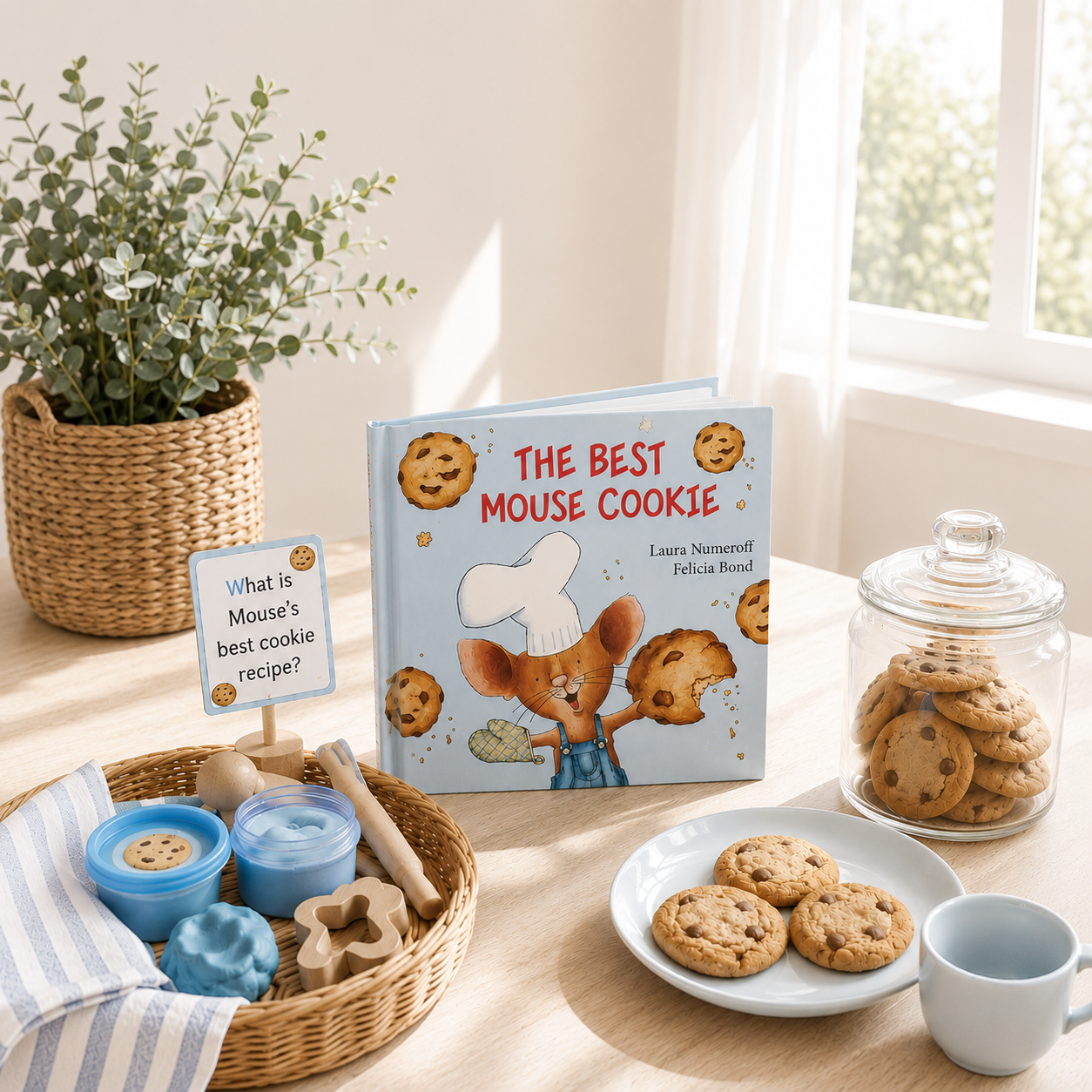
A favorite read-aloud doesn't have to end with the last page. Story extension activities invite children to revisit the characters, retell important events, and share their own ideas in meaningful ways.
As children sequence the story, respond to prompts, draw their favorite scenes, or imagine what might happen next, they naturally strengthen comprehension, oral language, sequencing, and early writing skills. Most importantly, they begin to see themselves as readers, storytellers, and creators.
These gentle invitations encourage children to linger with a story a little longer, discovering new details and making personal connections each time they return to it.

Creative Invitations
Art offers children another language for expressing their ideas. Instead of focusing on creating identical crafts, invite them to explore materials, make choices, and enjoy the creative process.
Natural treasures like leaves, feathers, twigs, seeds, or colorful paper can inspire unique Thanksgiving creations. As children work, conversations about colors, textures, shapes, and seasonal vocabulary emerge naturally, making language part of the experience rather than the goal.
An Invitation to Explore Thanksgiving
Thanksgiving is more than a celebration—it's an opportunity to gather, tell stories, create together, and notice the many reasons we have to be grateful.
This thematic unit invites children to explore the season through books, open-ended art, dramatic play, science, nature, and meaningful conversations. Along the way, they'll build vocabulary, strengthen literacy skills, develop curiosity, and make personal connections through hands-on experiences.
Because the most meaningful learning doesn't happen when we rush from one activity to the next—it happens when children have time to wonder, create, share, and discover together.

Pretend Play
A simple invitation to play can become an unforgettable learning experience. Set up a Thanksgiving table with dishes, pretend food, baskets, menus, or homemade place cards and let children take the lead.
As they welcome guests, prepare a meal, or imagine family traditions, they practice new vocabulary, negotiate roles, solve problems, and tell stories together. Pretend play creates authentic opportunities for language while nurturing creativity, cooperation, and confidence.
Celebrating Every Voice
Stories invite children to see the world through someone else's eyes. As they read The Crayons Give Thanks, they discover that gratitude can look different for everyone—and that every voice matters.
After reading together, invite children to wonder, "What are you thankful for?", "Which crayon do you relate to?", or "How do the crayons show kindness to one another?" These gentle conversations encourage empathy, reflection, and rich language while helping children make meaningful connections between the story and their own lives.
Through discussion, drawing, and storytelling, children learn that gratitude isn't just something we say—it's something we notice, share, and celebrate together.

A Moment of Gratitude
Thanksgiving offers a gentle reminder to pause and notice the people, places, and moments that fill our hearts with gratitude.
Invite children to draw, write, or dictate something they are thankful for and add it to a gratitude tree, a classroom display, or a simple gratitude jar. Gathering together to share these small reflections helps build emotional vocabulary, encourages empathy, and reminds children that every voice and every story matters.
Learning One Step at a Time
Many everyday experiences happen in a sequence. Whether we're baking a pie, planting a seed, creating a craft, or washing our hands, every task is made up of small steps that help us reach the final result.
Invite children to observe each picture carefully and talk about what happens first, next, and last. Encourage them to explain their thinking using phrases like "First...", "Then...", and "Finally...". These simple conversations strengthen sequencing, oral language, and critical thinking while helping children make sense of the world around them.
As children begin to recognize patterns and routines, they also develop confidence in retelling stories, following directions, and understanding that every journey unfolds one step at a time.

Meaningful Conversations
Sometimes the richest learning happens through a simple conversation. Open-ended question cards invite children to share their ideas, listen to others, and express themselves with confidence.
Rather than looking for one "right" answer, encourage children to reflect on their own experiences and make personal connections. Questions such as "What are you thankful for?", "How do you show kindness?", or "What is your favorite Thanksgiving tradition?" naturally inspire vocabulary development, critical thinking, and oral language.
These conversations create space for every child to be heard, helping build communication skills, empathy, and a classroom community where every voice matters.


An Invitation to Imagine
Offer children a plain turkey outline alongside loose parts, collage materials, feathers, leaves, fabric, buttons, or markers.
Without giving examples, simply ask:
"How could this turkey avoid Thanksgiving dinner?"
Children often surprise us with ideas we never expected. A turkey might become a butterfly, a firefighter, a rainbow, or even a pumpkin. These open-ended invitations encourage imagination, problem-solving, and joyful conversations while honoring every child's unique way of thinking.

Looking Closely
Children are natural observers. When we invite them to slow down and look carefully, they begin to notice details they may have missed at first glance.
Picture scenes become wonderful conversation starters. Encourage children to describe what they see, compare objects, notice colors, count items, and make predictions. Gentle prompts such as "What do you notice first?", "Can you find something surprising?", or "What do you think is happening here?" inspire rich conversations while naturally developing observation skills, vocabulary, and critical thinking.
Sometimes the most meaningful discoveries begin with simply taking the time to look a little closer.

A Daily Invitation to Wonder
Small moments of anticipation can become meaningful learning opportunities. A seasonal countdown invites children to pause each day, notice something new, and celebrate the joy of the season one step at a time.
As each new picture is revealed, encourage children to describe what they see, share what they know, or tell a story inspired by the image. Simple prompts like "What do you notice?", "Where have you seen this before?", or "What do you think tomorrow's picture will be?" naturally build vocabulary, observation skills, and curiosity.
Sometimes the most memorable traditions aren't the biggest ones—they're the small rituals children look forward to every day.

Exploring Thanksgiving Foods
Food is often at the heart of Thanksgiving traditions, making it a wonderful way to spark conversations and curiosity.
Invite children to explore pictures or real foods, noticing their colors, shapes, textures, and names. They might sort foods into groups, compare favorites, or talk about the dishes their own families enjoy during special celebrations.
Simple prompts like "Which food would you like to try?", "What does it remind you of?", or "What foods do you share with your family?" encourage meaningful conversations while naturally expanding vocabulary and helping children make personal connections.
These small moments of sharing remind us that food is more than something we eat—it tells stories, celebrates traditions, and brings people together.


Learning Through Movement
Children learn best when they have opportunities to move, explore, and discover. Placing vocabulary cards around the room transforms learning into an invitation to observe, search, and make connections.
As children wander through the space, encourage them to notice each picture, say the word aloud, and share where they might see it during the Thanksgiving season. They can sketch what they find, record new words, or simply enjoy the excitement of discovering each card.
This gentle blend of movement, language, and exploration keeps children engaged while allowing vocabulary to grow naturally through play and curiosity.


At the heart of it all, Thanksgiving is about connection, slowing down, and noticing the little joys. With hands-on, playful activities, children not only learn language, but they also experience the warmth and magic of this season.
How will you bring this cozy, playful, and grateful spirit into your learners’ Thanksgiving this year?


0 Comments:
Post a Comment
Thanks for your comment!