

There’s something magical about gathering young children around a great story. Whether you're a teacher, homeschool parent, childcare provider, librarian, tutor, or caregiver, a Book Camp is a simple and memorable way to spark a love of reading while creating meaningful connections through books.
The best part? You don’t need an actual campground, a classroom, or a complicated setup. A Book Camp can happen in a living room, library corner, preschool classroom, daycare center, backyard, community center, or anywhere children can gather comfortably around stories.
In this guide, you'll find easy ideas for creating a warm, engaging Book Camp experience for Pre-K learners that encourages conversation, imagination, and a lifelong love of books.
What Is a Book Camp?
A Book Camp is a themed literacy experience that combines read-alouds, discussions, hands-on activities, and cozy storytelling moments. Think of it as a reading adventure where books become the centerpiece of exploration, creativity, and community.
Instead of focusing on worksheets or formal lessons, Book Camp encourages children to:
- Listen to rich, engaging stories
- Build vocabulary naturally
- Practice communication skills
- Develop comprehension through conversation
- Connect books to real-life experiences
- Foster a positive relationship with reading
For Pre-K children, learning happens best through play, curiosity, and meaningful interactions—and Book Camp brings all three together.
Why Children Love Book Camps
Young children are naturally drawn to experiences that feel special. A simple change in environment can transform storytime into something memorable.
When children enter a space with blankets, pillows, books, and soft lighting, they immediately sense that something exciting is about to happen.
Book Camps help children:
- Feel excited about books
- Strengthen listening skills
- Build confidence sharing ideas
- Practice social-emotional learning
- Explore new topics through stories
- Develop early literacy foundations
Most importantly, they learn that reading is enjoyable.
Creating a Cozy Book Camp Space
You don't need elaborate decorations to create a memorable atmosphere.
Consider adding:
- Blankets and floor cushions
- A small tent or reading nook
- Stuffed animals
- Battery-operated lanterns
- Nature-inspired decorations
- Book baskets organized by theme
- Soft lighting
The goal is to create an inviting environment where children feel comfortable relaxing and listening to stories.
Book Camp Ideas for Different Settings
In a classroom:
Create a reading campsite in a literacy center or carpet area.
At home:
Build a blanket fort and fill it with favorite books.
In a library:
Design a themed reading corner and invite families to participate.
In a childcare center:
Rotate small groups through different literacy stations.
In community programs:
Host a family reading event where caregivers and children enjoy stories together.
No matter the setting, the focus remains the same: creating joyful reading experiences.
Choosing a Book Camp Theme
Themes help children make connections between stories and extend learning naturally.
Popular Book Camp themes include:
Friendship Camp
Books about kindness, empathy, and making friends.
Animal Adventure Camp
Stories featuring forest animals, pets, insects, or ocean creatures.
Fairy Tale Camp
Classic tales with opportunities for dramatic play and retelling.
Nature Explorer Camp
Books about seasons, plants, weather, and outdoor discoveries.
Family & Community Camp
Stories that celebrate diversity, belonging, and everyday experiences.
Feelings Camp
Books that help children identify and express emotions.
Choose 3–5 books that fit your theme and revisit them throughout the week or event.
Selecting Books for Pre-K Readers
The best Book Camp read-alouds are:
- Rich in vocabulary
- Visually engaging
- Repetitive and predictable
- Emotionally meaningful
- Conversation-friendly
Look for books that encourage children to:
- Predict what happens next
- Notice details in illustrations
- Relate events to their own experiences
- Ask questions
- Share opinions
Reading the same book multiple times throughout Book Camp can deepen comprehension and boost confidence.
Making Read-Alouds Interactive
A successful Book Camp isn't about reading through a book as quickly as possible.
Pause often to invite conversation.
Try questions such as:
- What do you notice?
- How do you think the character feels?
- What might happen next?
- Have you ever experienced something similar?
- Which part was your favorite?
These discussions help children develop language, critical thinking, and comprehension skills in a natural way.
Simple Book Camp Activities
Extend the story experience with playful activities that connect to the books.
Story Retelling
Invite children to retell the story using:
- Puppets
- Stuffed animals
- Props
- Picture cards
Retelling strengthens sequencing and comprehension skills.
Art Invitations
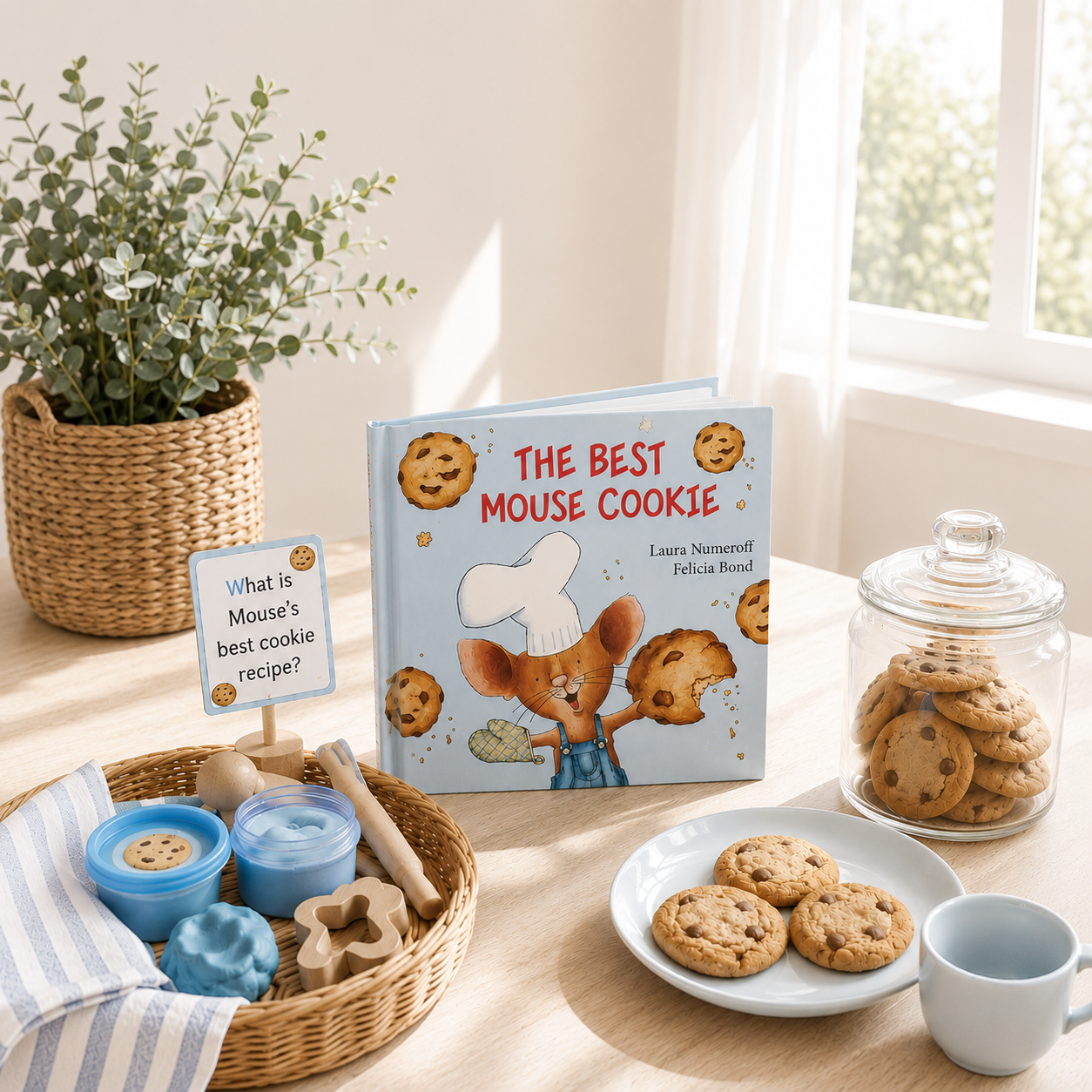
Offer open-ended materials such as:
- Crayons
- Paint
- Collage supplies
- Playdough
Encourage children to create something inspired by the story.
Dramatic Play
Children love acting out favorite scenes and characters.
Provide simple props and allow them to lead the play.
Nature Exploration
If your theme includes animals, seasons, or outdoor adventures, take the story outdoors and encourage observation and discovery.
Story Snacks
Create simple snacks connected to a favorite book theme to make the experience even more memorable.
Encouraging Meaningful Conversations
One of the most valuable parts of Book Camp is the opportunity for authentic discussion.
Instead of focusing on right or wrong answers, encourage children to share their thoughts and ideas.
You might hear:
- Personal connections
- Creative predictions
- Unique interpretations
- Questions about the story world
These conversations build oral language skills and deepen understanding.
Including Families in Your Book Camp
Book Camps become even more powerful when families are involved.
Consider:
- Sending home book recommendations
- Sharing discussion prompts
- Hosting a family story night
- Creating take-home literacy activities
- Encouraging caregivers to revisit favorite books
When children see reading valued across different environments, literacy becomes part of everyday life.
A Sample One-Day Pre-K Book Camp Schedule
Welcome & Camp Setup
Children explore the reading space.
Morning Read-Aloud
Introduce the featured book.
Discussion Time
Ask open-ended questions and encourage sharing.
Activity Invitation
Art, dramatic play, or hands-on exploration connected to the story.
Snack Break
Enjoy a simple themed snack.
Second Read-Aloud
Revisit the story or introduce a related book.
Story Retelling
Children recreate the story using props or dramatic play.
Closing Circle
Share favorite moments and books from the day.
A Book Camp doesn't need expensive materials, elaborate decorations, or a formal curriculum. What children remember most is the feeling of gathering together, hearing wonderful stories, and sharing meaningful conversations.
Whether you're hosting a Book Camp in a preschool classroom, a library, a homeschool setting, a childcare center, or your own living room, the experience can inspire curiosity, imagination, and a lifelong love of reading.
Sometimes all it takes is a cozy space, a great book, and a group of eager young listeners ready for their next adventure.



0 Comments:
Post a Comment
Thanks for your comment!