

Soft dough squeezed between little fingers.
Tiny hands rolling, pinching, and creating.
Endless possibilities shaped through imagination and play.
National Playdough Day is a celebration of creativity, exploration, sensory discovery, and hands-on learning — where every squish, roll, and press helps children build important skills while expressing their ideas in meaningful ways.
For little learners, playdough becomes more than a classroom material.
It becomes:
• a sensory experience
• a creativity tool
• a fine motor workout
• a language-rich learning opportunity
• a STEM exploration
• a pathway for imaginative play
In early childhood education, some of the richest learning happens when children are actively engaged with open-ended materials that encourage exploration and discovery.
Playdough naturally creates those moments.
A simple ball of dough can inspire storytelling, problem-solving, creativity, communication, and joyful learning.
And sometimes, the simplest materials spark the biggest ideas.
Why National Playdough Day Matters for Little Learners
Young children learn best when they can touch, manipulate, create, and explore.
Playdough experiences encourage children to:
• strengthen fine motor skills
• develop hand-eye coordination
• build creativity and imagination
• practice problem-solving
• engage in sensory exploration
• develop language skills
• explore mathematical concepts
• express emotions through play
Unlike activities with predetermined outcomes, playdough allows children to create freely and follow their own ideas.
Children begin noticing:
• different textures
• shapes and patterns
• changes in size and form
• cause-and-effect relationships
• details in their creations
• new ways to solve problems
These simple experiences support:
• fine motor development
• creativity
• sensory processing
• communication skills
• cognitive development
• early math concepts
• social-emotional learning
Most importantly, playdough reminds children that learning can be joyful, hands-on, and filled with possibilities.
Creating a Playdough-Inspired Learning Environment
National Playdough Day does not require complicated materials.
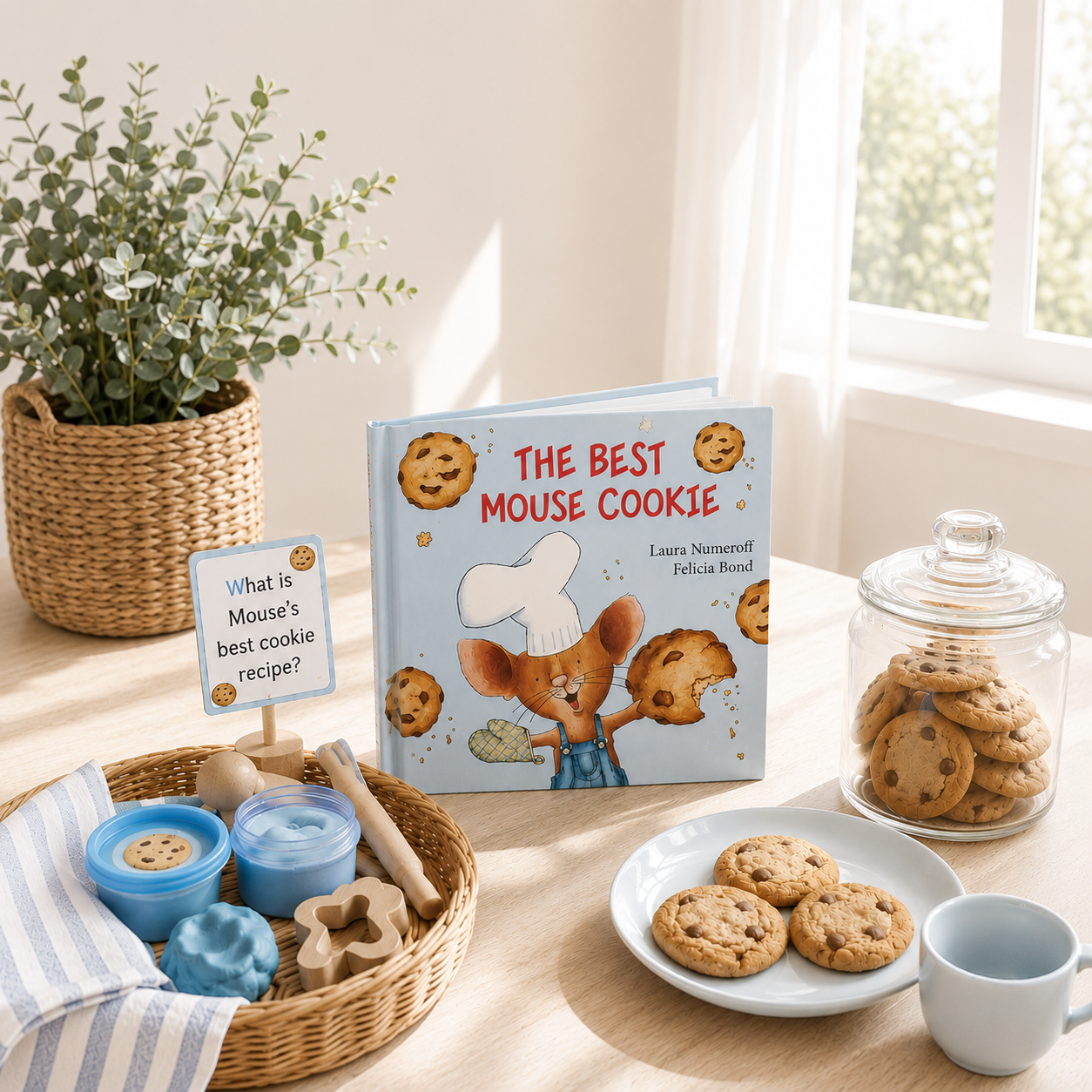
A simple setup can include:
• homemade or store-bought playdough
• rolling pins
• cookie cutters
• plastic knives
• wooden tools
• buttons
• beads
• craft sticks
• loose parts
• nature materials
• gems and stones
• cupcake liners
• trays or baskets
The goal is not creating a perfect product.
The goal is exploration, creativity, and discovery.
When children are invited to work with open-ended materials, they often become:
• more focused
• more communicative
• more imaginative
• more persistent
• more confident
• more engaged in learning
Beginning With the Senses
Playdough naturally encourages sensory exploration.
Before giving instructions, invite children to notice.
Ask gentle questions like:
• How does the playdough feel?
• Is it soft or firm?
• What happens when you squeeze it?
• Can you make it longer or flatter?
• What textures do you notice?
• How does it change when you roll it?
• What can you create from your imagination?
• Which tools make different patterns?
These conversations support:
• sensory awareness
• descriptive language
• observation skills
• creativity
• problem-solving
• scientific thinking
Children develop vocabulary more meaningfully when words emerge from hands-on experiences.
Language Development Through Playdough Experiences
Playdough creates rich opportunities for oral language development.
Children naturally begin describing:
• shapes
• textures
• sizes
• colors
• patterns
• actions
• creations
• ideas
Useful playdough-themed vocabulary includes squish, roll, flatten, stretch, pinch, twist, smooth, texture, shape, mold, create, build, pattern, design, sculpt, press, soft, flexible, round, and creative.
Because children are actively engaged in the experience, language becomes memorable and meaningful.
Conversation Starters for National Playdough Day
Open-ended questions encourage imagination, communication, and critical thinking.
Try asking:
• What are you creating today?
• How does the playdough feel in your hands?
• What happens when you mix colors together?
• Can you make something that moves?
• What story goes with your creation?
• Which tools help you create new textures?
• What would happen if your sculpture came to life?
• Can you build something from nature?
• How can you make your design stronger?
• What would you create if there were no limits?
These conversations support:
• expressive language
• storytelling
• imagination
• social interaction
• creativity
• critical thinking
Read-Aloud Books to Pair with Playdough Exploration
Books can inspire creativity while encouraging children to extend their play.
Favorite Read-Alouds for Creative Play:
Beautiful Oops! by Barney Saltzberg
A wonderful story about creativity and embracing mistakes.
Not a Box by Antoinette Portis
Perfect for encouraging imagination and open-ended thinking.
The Most Magnificent Thing by Ashley Spires
A story about persistence, creativity, and problem-solving.
Iggy Peck, Architect by Andrea Beaty
An inspiring book about building and creating.
Rosie Revere, Engineer by Andrea Beaty
A celebration of innovation and perseverance.
The Dot by Peter H. Reynolds
A beautiful reminder that creativity begins with a simple start.
Open-Ended Playdough Play Ideas
Playdough can become almost anything.
Children may create:
• pretend bakeries
• miniature gardens
• animals
• letters and numbers
• roads and cities
• dinosaurs
• imaginary creatures
• nature scenes
• treasure maps
• story characters
There is no right outcome.
The value lives in:
• imagination
• exploration
• experimentation
• creativity
• storytelling
• problem-solving
National Playdough Day Learning Activities
Literacy Activities
• Form letters with playdough
• Build sight words
• Create story characters
• Retell favorite books using sculptures
• Roll playdough snakes to form names
• Create alphabet trays
These activities support:
• letter recognition
• vocabulary development
• oral communication
• storytelling
• early writing skills
Math Activities
• Count playdough balls
• Create number formations
• Explore shapes and geometry
• Build patterns
• Compare sizes and lengths
• Measure playdough creations
Hands-on play helps children connect abstract math concepts to meaningful experiences.
Sensory Activities
• Scented playdough exploration
• Texture trays with loose parts
• Nature-inspired playdough invitations
• Color-mixing experiences
• Seasonal sensory setups
• Playdough and light table explorations
Sensory play supports curiosity while strengthening body awareness and self-regulation.
Fine Motor Activities
• Rolling and flattening dough
• Pinching small pieces
• Cutting with child-safe tools
• Using tweezers with loose parts
• Pressing patterns into dough
• Creating detailed sculptures
These activities strengthen hand muscles, coordination, and motor planning skills that support future writing development.
Playdough Art & Creativity
Playdough can become both a learning tool and an artistic medium.
Children can:
• create sculptures
• design nature mandalas
• build imaginary worlds
• make textured artwork
• create self-portraits
• construct collaborative class creations
Playdough-inspired art encourages creativity without pressure for perfection.
The process matters more than the final product.
Dramatic Play with Playdough
Playdough can transform dramatic play experiences.
Include:
• bakery props
• restaurant menus
• pretend kitchen tools
• cupcake liners
• trays and baskets
• nature materials
• toy animals
• small figures
Children naturally begin:
• role-playing
• storytelling
• negotiating ideas
• collaborating
• problem-solving
• communicating
Playdough dramatic play supports:
• imagination
• language development
• social-emotional learning
• confidence
• creativity
Social-Emotional Learning Through Playdough
Playdough experiences encourage children to:
• express creativity
• work independently
• collaborate with peers
• practice persistence
• solve problems
• regulate emotions
• build confidence
Many children also experience:
• calmness
• focus
• reduced frustration
• satisfaction through creation
• joy through self-expression
The repetitive motions of rolling, squeezing, and shaping can feel both calming and empowering for young learners.
Keeping National Playdough Day Simple
National Playdough Day does not require elaborate plans.
It simply asks for:
• hands-on exploration
• creativity
• sensory discovery
• imagination
• conversation
• joyful learning
A ball of dough.
A curious mind.
An idea waiting to take shape.
For young children, these simple experiences become meaningful opportunities for creativity, fine motor development, language growth, problem-solving, and self-expression.
And sometimes...
the most extraordinary creations begin with a simple squish of playdough.


0 Comments:
Post a Comment
Thanks for your comment!